- Choose accurate primary and secondary Google Business Profile categories, and hide your address if you work out of your home.
- Build separate pages for each core service and each major city you truly serve.
- Ask every customer for a review right after the job, and reply to all reviews.
- Keep your name, phone and website consistent on a short list of trusted directories.
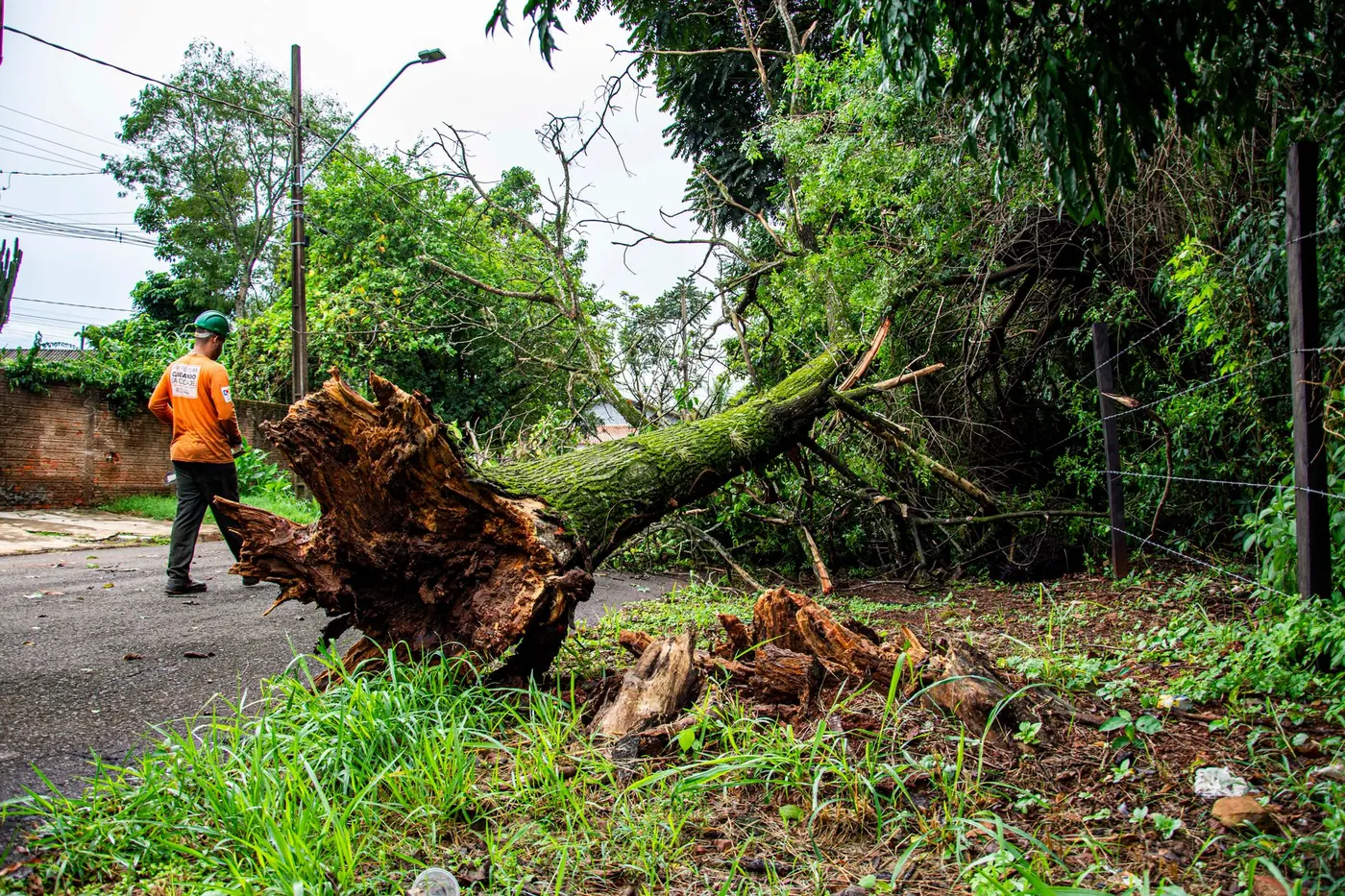
When a limb lands on a roof or a storm drops an oak across a driveway, homeowners reach for their phones and search for help nearby. Local SEO for tree service companies decides whether your crew gets that call or a competitor does. The work is not mysterious, but it is detail-heavy. This guide covers the pieces that matter most: your Google Business Profile, local keywords, citations, reviews, local content and the mistakes that quietly hold companies back.
Start With Your Google Business Profile
For most tree companies, the Map Pack and local results are where jobs are won, and your profile is the main input. Treat it as a living asset, not a one-time setup.
- Primary category: choose the one that best describes your main revenue, usually Tree service. Add secondary categories only if they are real offerings, such as stump removal or arborist.
- Service area, not a fake storefront: if you operate from a yard or home, hide the address and list the cities you actually serve. Do not list a virtual office or a rented mailbox; that risks suspension.
- Services list: add each service with a plain-language description: tree removal, trimming, stump grinding, emergency storm cleanup, land clearing.
- Photos and video: upload real jobs, crews, equipment and before-and-after shots regularly. Original images build trust and show you are active.
- Hours and emergency availability: keep them accurate, including holiday and storm-season changes.
- Posts and Q&A: share seasonal tips and answer common questions about permits, pricing factors and timing.
Also make sure the business name matches your real-world name. Stuffing keywords into it is against guidelines and invites a suspension.
Target Local Keywords That Match Real Intent
Tree searches fall into a few buckets, and each deserves its own page or section of your site.
- Urgent: emergency tree removal, fallen tree on house, storm damage cleanup.
- Planned services: tree trimming, stump grinding, tree removal, crown reduction, land clearing.
- Research and cost: how much does tree removal cost, do I need a permit to remove a tree.
- Specialty: oak wilt treatment, dead tree assessment, certified arborist consultation.
Combine each service with the places you serve, but only where you genuinely work. Build one solid page per core service, then city pages for your main markets. Each city page should include something unique: local species, common hazards, municipal permit rules, neighborhoods, and photos of jobs there. Pages that merely swap the town name read as thin and rarely rank.
Citations and Consistent Business Data
Citations are mentions of your name, address or service area, and phone number across the web. They matter less than they once did, but inconsistency still creates confusion for search engines and customers.
- Use the exact same business name, phone number and website everywhere.
- Prioritize major data aggregators and platforms like Apple Business Connect, Bing Places, Yelp and Facebook.
- Add relevant industry listings, such as the Tree Care Industry Association, ISA arborist directories, your chamber of commerce and the Better Business Bureau if you qualify.
- Find and fix duplicates and old phone numbers, especially after a rebrand or move.
Quality beats quantity. A dozen accurate listings and a few local sponsorships or partnerships with landscapers, realtors and property managers will outperform hundreds of junk directories.
Reviews: Your Strongest Local Signal
Reviews influence both rankings and the decision to call. Tree work is high-risk and high-ticket, so homeowners read them closely, looking for mentions of insurance, cleanup, punctuality and respect for property.
- Ask at the right moment: send the review link by text as soon as the job is finished and the customer is happy.
- Make it easy: use your direct Google review link or QR code on invoices and door hangers.
- Guide, don't script: suggest customers mention the service and town, but never write reviews for them or offer incentives. Both violate platform rules.
- Respond to everyone: thank positive reviewers by name and answer negative ones calmly, offering to resolve the issue offline.
Steady, ongoing review flow looks more credible than a burst followed by months of silence.
Local Content That Earns Trust and Links
Content proves expertise, which matters for a safety-sensitive trade. Write from experience, not generic filler.
- Case studies of difficult removals with crane or rigging work, described with photos.
- Guides on signs a tree is dying or hazardous, written by your certified arborist.
- Local permit and ordinance explainers for each city you serve.
- Seasonal reminders: pre-storm pruning, post-storm safety, best times to trim local species.
- Transparent pricing factor articles explaining size, access, hazards and disposal.
Add your arborist credentials, insurance details and team bios to your site. Include clear calls to action and a fast quote form, plus click-to-call buttons, since most searchers are on mobile.
Common Mistakes Tree Companies Make
- Using a fake address or a keyword-stuffed business name.
- Choosing too many irrelevant categories or service areas far beyond your reach.
- Publishing dozens of near-identical city pages.
- Ignoring reviews, especially negative ones.
- Letting a slow, unclear website lose the lead after the click.
- Not tracking calls, so you cannot tell which channels produce jobs.
Measure and Improve
Track calls, form fills and direction requests from your profile, and use call tracking that does not replace your main listed number. Check local rankings from several points across your service area, not just your office. If you want a partner to handle the technical work, Growth Asteroid builds and manages local SEO programs for home-service businesses, from profile cleanup to content and review systems.
Conclusion
Strong local visibility comes from accuracy, consistency and proof. Set up your profile honestly, match pages to real searches, keep listings clean, earn reviews steadily and publish content that shows your expertise. Do those well and the phone rings more often, in calm weather and after storms alike.
Frequently asked questions
How long does local SEO take for a tree service company?
Profile fixes can help within weeks, but meaningful ranking gains in competitive markets usually take three to six months of consistent work on content, citations and reviews.
Do I need a physical address to rank on Google?
You need a real location where you operate, but if customers do not visit you, hide the address and set a service area. Never use a fake or virtual address.
How many reviews does a tree service need?
There is no magic number. Aim to outpace the top local competitors in both count and recency, and keep a steady flow of detailed, genuine reviews.