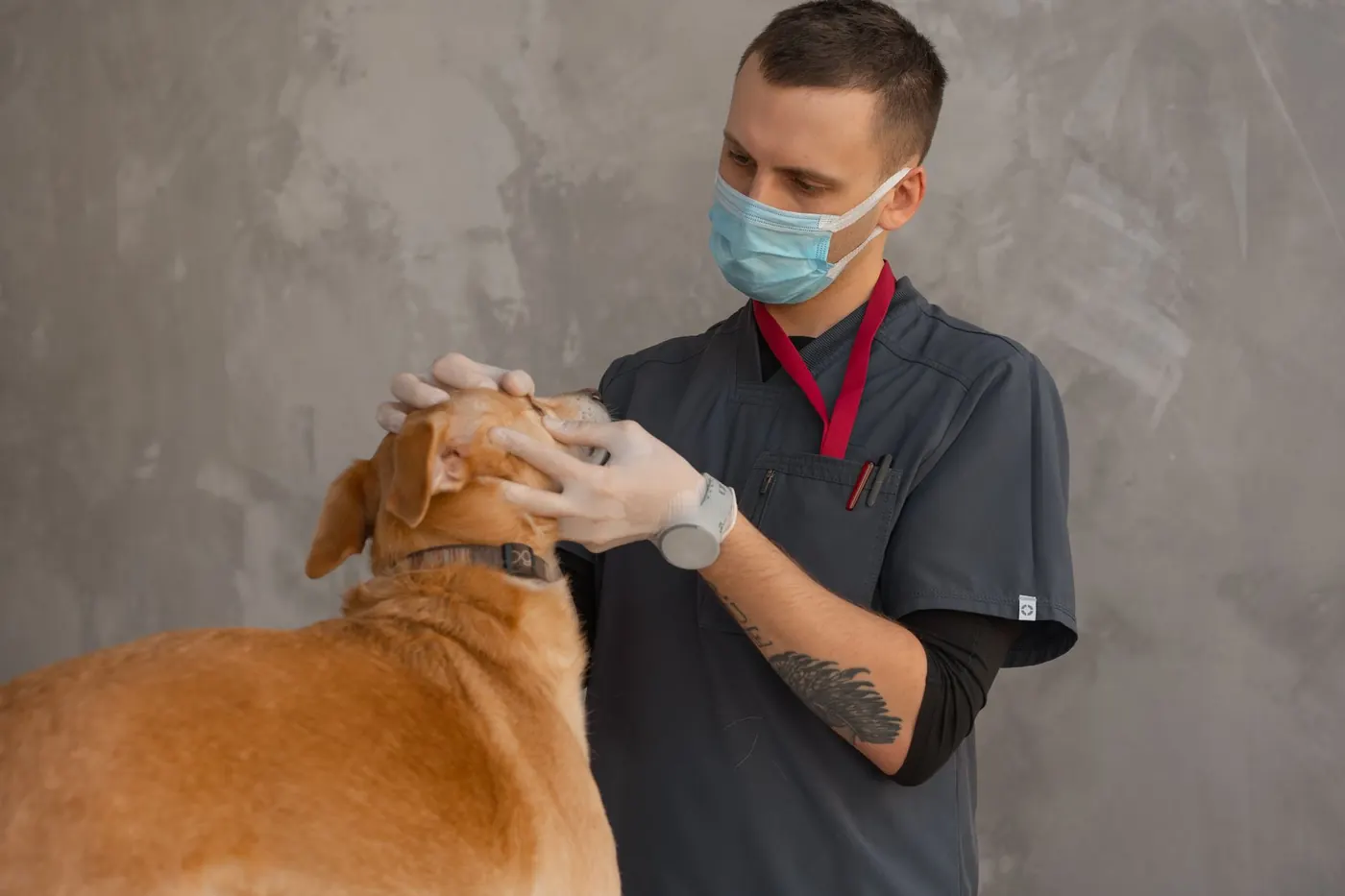
- Build one page per service and per species you genuinely treat, and have a licensed veterinarian review every medical page.
- Keep your Google Business Profile accurate: honest categories, your real business name, and hours that are correct every day, including holidays.
- Ask every client for reviews with no rewards, and reply in generic terms that protect client and patient privacy.
- Follow a 90-day plan: foundation first, then service and vet pages, then local links and measurement of calls and bookings.
SEO for vets comes down to being the clinic a worried pet owner finds, trusts and calls in the first minute. People search by pet, by problem and by time of day, such as "emergency vet open now," "vet that sees rabbits" or "dog dental cleaning near me." Google answers with a map pack, a few organic results and, increasingly, AI-written summaries, and your job is to give all three a clear, accurate, local source to draw from.
This guide walks through vet SEO and local SEO for veterinarians, from a single clinic to a small group of hospitals: Google Business Profile, service and species pages, veterinarian profiles, emergency visibility, reviews, citations and a 90-day plan. It is marketing guidance, not veterinary advice. Medical content on your site should be written or reviewed by a licensed veterinarian on your team, which is also what pet owners and Google's quality systems want to see.
How pet owners search, and what that means for veterinary SEO
Veterinary SEO is local first. Almost nobody drives across the county for a routine vaccine, so the searcher, the map and the clinic's real location do most of the work. What changes from one search to the next is urgency, and urgency decides which page should answer.
When owners ask what veterinarians SEO involves, the honest answer is a set of pages and profiles, each built for one kind of searcher. The table below groups the searches a general practice should plan around, and the same logic applies to SEO for veterinary clinics of any size.
| Intent | Example searches | Best page to rank | Goal |
|---|---|---|---|
| Emergency | emergency vet near me, vet open now, after-hours animal hospital | Google Business Profile and a dedicated emergency page | Phone call or directions |
| New client | vet accepting new patients, puppy vet in [city], veterinarian near [neighborhood] | Home page, new client page, location page | Appointment request |
| Service | dog dental cleaning, cat spay, pet vaccinations near me | One page per service | Booked visit |
| Species | exotic vet near me, rabbit vet, equine vet in [county] | One page per species group | Call or form |
| Cost and plans | wellness plan for puppies, vet payment options | Wellness plan and payment pages | Booked visit |
| Comparison | best vet in [city], animal hospital reviews | Google Business Profile, reviews, vet bios | Trust, then a call |
Most of these searches never include the word "veterinary." They are plain phrases from a stressed or busy person, so write in the plain language you use at the front desk.
Google Business Profile for animal hospitals and vet clinics
Local SEO for vets starts with the profile, because it does more work than your website. It appears in the map pack, in Maps and in many AI answers about "the best vet near me," so it must be complete, accurate and current. Our full walkthrough is in the guide to Google Business Profile optimization; here is what matters most for a clinic.
Categories, name and hours
Pick the primary category that matches how most clients describe you. "Veterinarian" suits most general practices. "Animal hospital" fits a clinic with surgery, inpatient care and diagnostics. "Emergency veterinarian service" belongs only on profiles that genuinely treat emergencies during stated hours. Add secondary categories only for services you actually perform, such as "Pet boarding service" if you board animals on site.
Use your real business name exactly as it appears on your sign. Stuffing words like "24 Hour Emergency" into the name breaks Google's guidelines and can get a profile suspended. Hours deserve extra care, because a wrong closing time means a sick pet at a locked door and a one-star review. Set holiday and special hours well ahead of time.
Services, photos and booking links
Fill in the services list with the names owners use, such as wellness exams, vaccinations, dental cleaning, spay and neuter, X-rays, lab work and microchipping, with a short description for each. Add an appointment link to a booking page or request form that works on a phone. Use a call tracking number as the primary phone and keep your real number as an additional one, so you can see how many calls the profile produces. Our call tracking service explains the setup.
Upload real photos of the exterior, parking, entrance, waiting room, exam rooms and the team. Get written permission before showing clients or their animals. Real photos help an anxious first-time visitor picture the visit, which stock images cannot do.
Service pages that fill the appointment book
A single "Services" page with a bulleted list will not rank for "dog dental cleaning in [city]." Each service that people search for deserves its own page with its own heading, copy and call to action. This is the core of veterinary practice SEO and where most clinic websites fall short.
Each service page should cover the same basics in plain language: who the service is for, what a visit generally involves at your clinic, which veterinarian performs it, how to book and how you handle estimates. Do not diagnose, promise outcomes or give treatment instructions. Have a veterinarian review each page and say so, for example "Reviewed by Dr. [Name], DVM."
| Page | What to include | Local detail that sets it apart |
|---|---|---|
| Wellness exams and plans | What a routine visit covers, what the plan includes, how enrollment works | Your own plan structure and payment options |
| Vaccinations | How your veterinarians set the schedule, how to book, what to bring | Local requirements for boarding, grooming or licensing, stated accurately |
| Dental care | What a dental visit involves at your clinic, equipment you use, how you communicate with owners | Whether you offer dental X-rays on site |
| Surgery | Procedures you perform, surgeon credentials, how you coordinate pre-surgery and recovery visits | Which cases you refer to a specialist, and where |
| Diagnostics | In-house lab, digital X-ray, ultrasound if you have it | Turnaround you can honestly state |
| Urgent and emergency care | Hours, how to reach the team, what you handle and what you refer | Directions and entrance details for after hours |
| End-of-life care | Compassionate wording, options you offer, how to contact you | Home visits if you provide them |
If your clinic also sells diet foods or offers boarding and grooming, those can have their own pages. Our guide to SEO for pet shops and pet care businesses shows how to present retail and care services without muddying the medical side of the site, which matters for pet clinic local SEO whenever a clinic also runs a shop.
Species pages: exotic, equine and everything in between
Species pages are a real opportunity because few clinics build them. "Exotic vet near me" and "rabbit vet" searches often have thin competition, and an honest, detailed page can earn a spot the general-practice sites ignore. The rule is simple: only publish a species page for animals your team genuinely treats.
A good species page names the animals you see, the veterinarian who sees them and any relevant training or board certification, stated accurately. It also says what you do not treat and where you refer those cases. Many emergency hospitals cannot see every species after hours, and saying so up front prevents a bad night for the owner and a bad review for you.
- Exotics and small mammals: list rabbits, guinea pigs, birds, reptiles or whatever your clinicians actually see, plus how to arrange a visit.
- Equine and farm animals: these are often ambulatory services. Set the Google Business Profile as a service-area business, hide the address if clients do not visit you, and list the counties or towns you cover on a dedicated page.
Multi-vet practices: profiles, credentials and trust
Health topics are held to a higher standard, so veterinarian SEO depends on showing who is behind the advice. Give every veterinarian a short profile page with a photo, name, degree (DVM or VMD, or the UK equivalent), the licensing details your regulator expects you to display, areas of interest and the services they perform. Verify each credential with the licensing board before publishing, and never use "specialist" unless the veterinarian is board-certified in that specialty, because the term is protected in many places.
Link each profile from the relevant service pages and add a "reviewed by" line to medical content. Mark up profiles with Person schema if your developer can; our schema markup guide shows the types that fit.
Groups with more than one hospital
SEO for animal hospitals with several sites means giving each location its own page with the local team, photos, hours and directions, and a separate Google Business Profile. Do not copy the same text across locations. This is where veterinary local SEO most often goes wrong, because duplicate pages compete with each other and none feels local.
UK clinics and veterinary surgeries
In the UK, owners search for "vets near me" and "veterinary surgery," so SEO for veterinary surgeries uses that wording in titles, headings and the profile description. Show the registration details your regulator requires and state out-of-hours arrangements clearly, naming your provider if you use one. The page structure is otherwise the same.
Emergency and after-hours visibility: SEO for veterinary ER
Emergency searches are the highest-intent searches in veterinary marketing. The person is on a phone, often at night, and will contact the first clinic that appears open and nearby. SEO for veterinary ER and after-hours clinics is therefore less about long articles and more about speed, clarity and accuracy.
Build one emergency page and put the essentials above the fold: a tap-to-call number, hours, the full address with a map link and a plain statement of what you handle after hours. Add details that help someone arriving in a hurry, such as the night entrance, parking and payment expectations. Ask visitors to phone ahead when possible so the team can prepare, and keep medical advice off the page.
If you are not an emergency hospital, say so and tell clients where to go after hours. Naming the nearest emergency hospital is a trust signal and stops people calling a voicemail nobody will hear until morning. Keep your hours identical on the Google Business Profile, your website and every listing, and update them for every holiday.
Reviews, replies and client privacy
Pet owners read reviews carefully, and reviews of veterinary care are emotional, from gratitude after a rescue to anger at a bill or a loss. A steady flow of honest reviews is one of the strongest local signals you can build, but it has to be done by the book.
- Ask every client, not just the happy ones. Selecting only satisfied clients for a review request is known as review gating and goes against Google's policies.
- Never offer discounts, gift cards or entries into a draw in exchange for reviews.
- Make it easy: a short link or QR code at checkout, or in the follow-up message.
- Reply to every review, and keep replies generic. Do not confirm that someone is a client, mention a pet's name or discuss treatment in public. Thank them, invite them to call the clinic, and follow your state's confidentiality rules and your own policies.
- Never have staff write reviews, and never argue publicly.
If you want help, a reputation program should handle requests and replies within these limits. Our reputation and review management service works this way.
Citations, local links and AI answers for veterinary hospitals
Local SEO for veterinary hospitals relies on citations, the places your name, address and phone number appear outside your own site. Make the details match exactly on Apple Business Connect, Bing Places, Yelp and Facebook, and on any professional directory you qualify for, such as an accreditation or certification program you actually hold. A wrong suite number is a small fix that removes a lot of confusion.
Local links come from relationships you already have. Sponsor a rescue adoption day, host a school visit or support a shelter fundraiser, and ask each organization to link to your clinic with correct details.
AI search tools also describe clinics, drawing on your profile, reviews and site. Clear, factual statements about services, species, hours and veterinarians give them accurate material to quote. The guide to GEO for local businesses explains how.
A 90-day veterinary SEO marketing plan
You do not need to do everything at once. A good veterinary SEO marketing plan fixes the foundation first, then adds pages in the order that pays back soonest. This schedule suits a single clinic; stretch it for a group, and it works as SEO for veterinary practices of any size.
Days 1 to 30: foundation
- Audit your Google Business Profile: categories, hours, services, photos, phone numbers and appointment link.
- Fix citations so your name, address and phone number match everywhere.
- Set up call tracking, Google Search Console and GA4 to capture calls, directions and form fills.
- Write or rewrite the home page, new client page and emergency or after-hours page.
- Start the review process at checkout with a link or QR code.
Days 31 to 60: pages
- Publish pages for your top five services, each reviewed by a veterinarian.
- Publish a profile page for every veterinarian, with accurate credentials.
- Add species pages for any exotic, equine or other group you genuinely treat.
- Add basic schema and check every page on a phone.
Days 61 to 90: authority and measurement
- Earn two to three local links from rescues, schools or community groups.
- Publish owner guides reviewed by a veterinarian, such as what to expect at a first visit.
- Compare calls, directions, form fills and new-client counts against the first 30 days.
- Keep what is working and plan the next set of pages.
If your site is slow on a phone, plan time for fixes. Whether you hire SEO services for animal clinic website work or do it in house, begin with a technical check, because good content cannot rank on a site that loads badly.
Measuring vet SEO and mistakes that cost you clients
Rankings alone do not fill the schedule. Track the actions that lead to appointments: calls from the profile and website, direction requests, online booking submissions, new-client counts and, most important, what new clients say when you ask how they heard about you. Check Google Search Console for non-branded searches such as "emergency vet" and "rabbit vet," and look for steady growth in clicks rather than day-to-day swings.
These are common mistakes in animal hospital SEO:
- Adding keywords to the Google Business Profile name.
- Putting every service on one page.
- Using stock photos instead of the real clinic and team.
- Publishing medical advice nobody has reviewed.
- Letting hours drift out of date, especially holidays.
- Copying the same text across multiple locations.
- Missing calls at lunch or after hours because nobody tracks them.
If you would rather have specialists handle the technical and local side, Growth Asteroid offers local SEO for medical and healthcare practices, from $575 per month per location, and a broader overview of our approach is on the medical and healthcare industry page.
Frequently asked questions
What is SEO for vets?
SEO for vets is the work of making your clinic appear when pet owners search for care nearby. It covers your Google Business Profile, service and species pages, veterinarian profiles, reviews, citations and technical website basics. The aim is more phone calls, direction requests and booked appointments from people who already need a veterinarian in your area, not just more website visitors.
How long does veterinary SEO take to work?
It depends on competition in your area, the condition of your profile and site, and how quickly you publish good pages. Profile fixes and review habits can have an effect earlier, while new pages usually need time to be crawled and trusted. Nobody can promise a ranking or a date, so judge progress by calls, directions and bookings.
Do I need separate pages for each service and species?
Yes, if you want to rank for specific searches. A page for dental cleaning, one for surgery and one for exotic pets can each match a distinct search, while a single services page cannot. Only create pages for services and animals your team genuinely handles, and have a veterinarian review the medical content before publishing.
How should an emergency vet clinic set up its Google Business Profile?
Choose the emergency veterinarian service category only if you truly treat emergencies, use your real business name, and keep hours exact, including holidays. Add a call number, directions, photos of the entrance and a link to your emergency page. State clearly what you handle after hours and what you refer elsewhere.
Can I ask clients for reviews, and how do I reply?
You can ask every client for a review, but you must not offer rewards or pick only happy clients. Reply to every review in generic terms. Do not confirm someone is a client, mention a pet by name or discuss treatment, and invite them to call you. Follow your state's confidentiality rules and your clinic's policy.