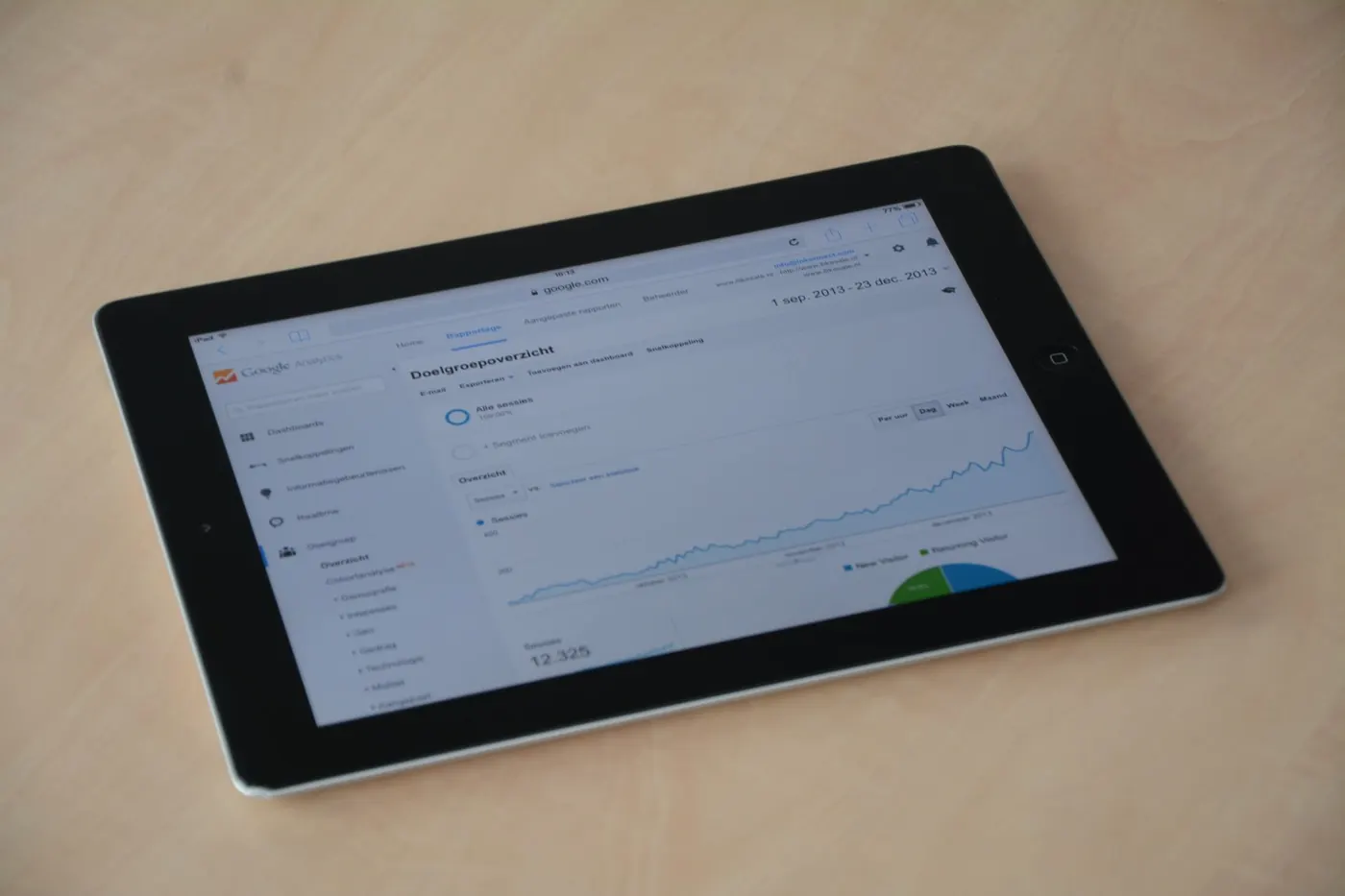
- Audit traffic by query intent to see which pages lost clicks and which lost only impressions.
- Stop measuring success by sessions alone; track conversions, branded search and assisted revenue.
- Build content AI answers cannot replace: original data, firsthand experience and tools.
- Diversify acquisition with email, communities and direct audiences before the next drop.
When a large media company reports that organic Google referrals fell by more than a third, it is tempting to treat it as a publisher problem. It is not. The same forces squeezing big media are reaching ecommerce, SaaS and local service sites. Here is a practical read on what is happening and what to do about it.
What is actually driving the decline
No single cause explains it. Several shifts compound each other:
- AI answers on the results page. Generated summaries resolve many informational queries without a click, so impressions hold while clicks fall.
- Chat assistants as a starting point. A growing share of research begins in assistants, never touching a traditional results page.
- Quality and helpfulness systems. Thin, derivative and mass-produced pages keep losing visibility to sources showing real expertise.
- More SERP real estate for Google properties and forums. Discussion threads, video and shopping modules push organic links lower.
The result is a market where ranking is necessary but no longer sufficient to earn the visit.
Diagnose before you panic
A sitewide dip hides very different stories. Spend a day segmenting before changing anything.
Split by intent
Export Search Console data and group queries into informational, commercial and transactional. Informational pages such as definitions, quick facts and basic how-tos are most exposed to AI summaries. Commercial and transactional pages usually hold up better.
Compare impressions to clicks
If impressions are steady but click-through rate has dropped, you are being displaced by on-page answers, not demoted. If impressions themselves fell, you have a ranking or quality issue, which calls for a different fix.
Check what you lost, not just how much
- Which templates or content types fell hardest?
- Did the lost traffic convert before? Losing low-intent visitors may cost little revenue.
- Did branded search and direct traffic move in the same period?
Often the honest finding is that a large portion of lost sessions were low-value and the revenue impact is smaller than the headline number.
Rebuild content around what summaries cannot do
An AI answer can condense common knowledge. It cannot easily replicate what you uniquely hold. Prioritise:
- Original data. Surveys, benchmarks, customer data and test results that others must cite.
- Firsthand experience. Photos, screenshots, process notes and named authors with real credentials.
- Interactive utility. Calculators, templates, comparison tools and checkers that deliver a result rather than text.
- Opinion and analysis. A defensible point of view gives readers a reason to come to you specifically.
Then consolidate. Merge overlapping articles, prune pages that earn no traffic or links, and update the survivors with substantive changes rather than a refreshed date.
Optimise to be cited, not just ranked
Being named inside an AI answer is now a real acquisition channel. You influence it by making pages easy to extract and trust:
- Lead sections with a direct, accurate answer, then add depth below.
- Use clear headings, concise definitions and well-structured tables.
- Keep structured data accurate for products, articles, organisations and authors.
- Strengthen entity signals: consistent brand mentions, author pages, and coverage on reputable third-party sites.
- Make sure crawlers you want can access your content, and decide deliberately which ones to block.
Track citations manually or with a monitoring tool by testing your priority questions across the main assistants monthly.
Change what you measure
Sessions alone will make you look like you are failing while revenue may be fine, or the reverse. Build a scorecard that includes:
- Conversions and revenue attributed to organic, including assisted conversions.
- Branded search volume, a strong signal of demand you have created.
- Click-through rate by intent group.
- Share of citations in AI answers for your core topics.
- Engagement quality: returning visitors, newsletter signups, time to conversion.
Reduce dependence on one channel
The deeper lesson from any large referral drop is concentration risk. If one platform controls most of your demand, its design decisions become your revenue. Build owned audiences: an email list with real segmentation, community spaces, video and podcast presence, and partnerships that send direct traffic. Treat search as one strong channel among several rather than the foundation of everything.
If you want a second set of eyes, Growth Asteroid runs traffic-loss diagnostics that separate genuine ranking problems from click displacement and turn the findings into a prioritised plan.
Conclusion
A steep fall in organic referrals is a signal, not a verdict. Segment the loss, protect pages that drive revenue, invest in content with original value, earn citations in AI answers and diversify your audience. Sites that adapt measure outcomes rather than clicks, and they stay resilient as results pages keep changing.
Frequently asked questions
Is a drop in Google referrals always a penalty?
No. Most declines now come from clicks being absorbed by AI summaries and richer result features, not penalties. Compare impressions with clicks in Search Console to tell the difference.
Which pages are most at risk of losing clicks?
Simple informational pages such as definitions, quick facts and basic how-tos. Pages offering tools, original data, or transactional intent tend to be more resilient.
Should I block AI crawlers to protect traffic?
It depends on your goals. Blocking may reduce citations and brand exposure, while allowing access can help visibility. Decide per crawler, based on your business model and licensing stance.